
Did your latest labs come back with a number called UACR flagged in bold? Or maybe your doctor mentioned “a little protein in your urine” on the way out the door. And you’ve been Googling ever since. If so, you’re not alone. When it comes to proteinuria and CKD, it’s one of the most common lab findings and one of the least explained.
Here’s the part most people never hear: this number can change. The right medications from your doctor play a big role. So do your everyday choices, like what you eat, how much salt you use, and how well your blood pressure and blood sugar are managed.
In this article, you’ll learn what proteinuria is and how it’s tested. You’ll also learn what your numbers mean and how medications and food work together to bring it down.
This content is for informational and educational purposes only. It is not intended as medical advice or a substitute for professional healthcare guidance. Always consult your physician or healthcare provider with any health-related questions.
Table of Contents
What Is Proteinuria?
Proteinuria means there is more protein in your urine than there should be.
Your kidneys are packed with about a million tiny filters. Think of each one like a coffee filter. Water and waste pass through. The bigger, important things (like protein) stay in your blood where they belong.
When those filters are damaged or under too much pressure, protein starts to slip through. You may hear this called protein leaking or spilling protein.
The most common protein that leaks is albumin. That’s why you may also see the word albuminuria. Albumin is usually the first protein to leak when the filters are struggling. That makes it an early warning sign. (1)
Want to know more about what your kidneys do? Read our article on the 7 functions of the kidney.
Why Protein in Your Urine Matters
Most people with CKD are told their GFR and their stage. But GFR is only half of the picture.
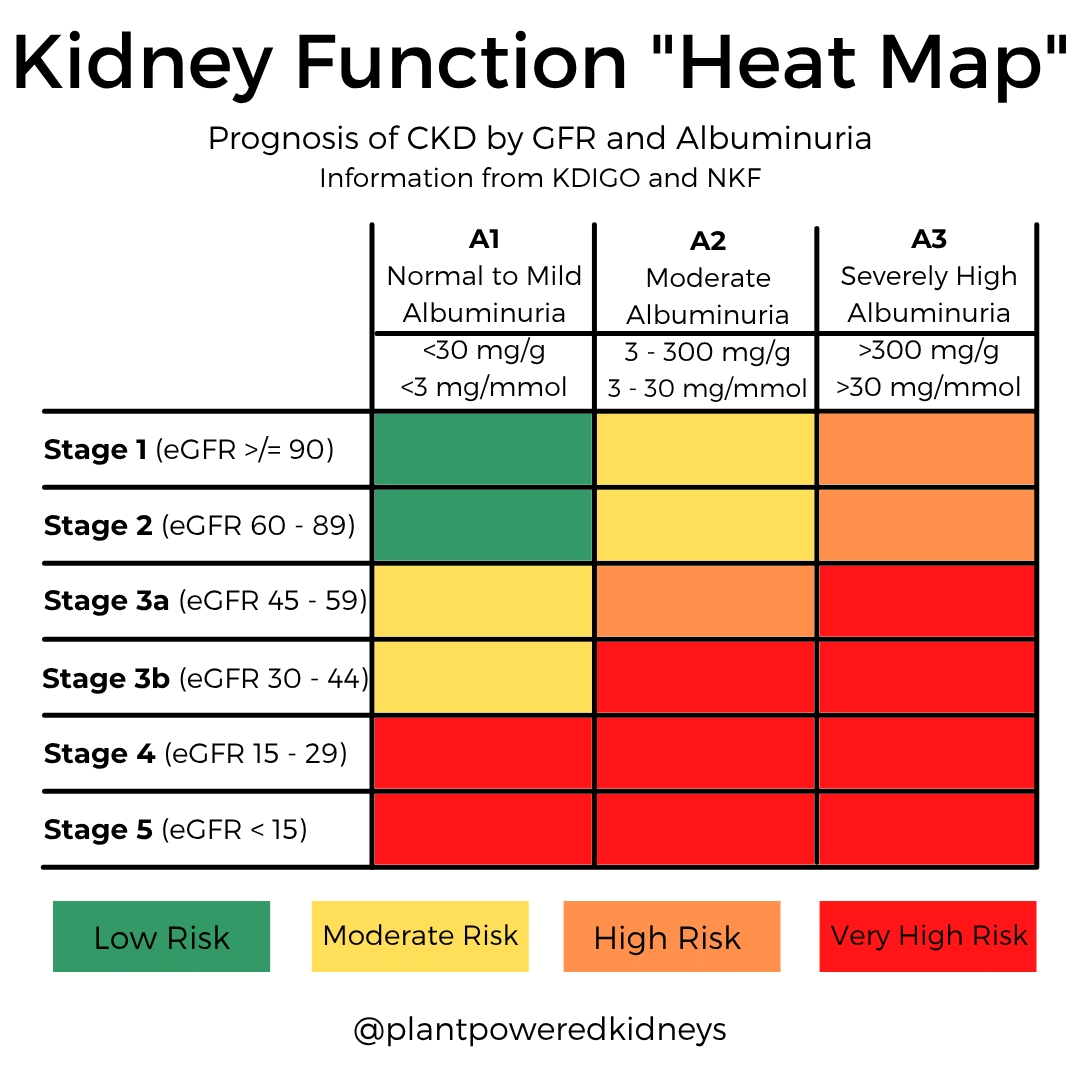
Chronic kidney disease is actually classified by 2 numbers: your GFR (how well your kidneys filter) and your albuminuria (how much protein is leaking). Together, they give a much clearer picture of your kidney health and your risk of it getting worse. (1, 2)
This is not meant to scare you. It’s meant to show you why this number deserves a spot on your radar.
When protein in your urine goes down, it usually means there’s less pressure on your kidney filters. That’s a win you can actually track.
If GFR is the number you’ve been watching, our guide to the renal function panel explains how it all fits together.
Symptoms of Proteinuria
Most of the time, there are no symptoms at all. That’s why so many people are surprised to see it on their labs.
When protein loss is higher, some people notice:
- Foamy or bubbly urine
- Swelling in the feet, ankles, hands, or around the eyes
Foamy urine can have other causes too, so a lab test is the only way to know for sure.
What Causes Protein in Urine?
The 2 most common causes are diabetes and high blood pressure. Over time, both put extra strain on the kidney filters. (3)
Other causes include:
- Kidney diseases that affect the filters directly, like IgA nephropathy
- Polycystic kidney disease
- Lupus and other autoimmune conditions
- Heart disease and obesity
Protein in urine can also show up for a short time without kidney disease. We’ll cover those temporary causes below.
How Protein in Urine Is Tested
The preferred test for protein in the urine is the urine albumin-to-creatinine ratio, or UACR. (1)
On your lab report, it may also be called the microalbumin/creatinine ratio.
It’s a simple urine sample, no 24-hour jug required.
The lab measures the albumin in your urine and compares it to the creatinine in that same sample.
Why a ratio? Because how much water you drank that day changes how concentrated your urine is. Comparing albumin to creatinine cancels that out, so you get a more reliable number. (1)
A few other tests you might see:
- Urine protein-to-creatinine ratio (UPCR): Measures all proteins, not just albumin. Often used for certain types of kidney disease.
- Urine dipstick: A quick screening strip. Results may show as trace, 1+, 2+, or a number like 30 mg/dL. A positive result should always be confirmed with a UACR or UPCR at the lab.
- 24-hour urine collection: The most precise method, but also the most work. It’s mostly used in special cases. For example, when protein loss is very high or someone has a lot more or less muscle than most people.
Tip: A first-morning urine sample gives the most accurate result. If you can, ask whether your next UACR can be collected first thing in the morning. (1)
What Your UACR Numbers Mean
Here’s how UACR results are grouped by KDIGO (the group of kidney experts who write the main guidelines for CKD). A normal UACR is less than 30 mg/g. (1)
| UACR Category | UACR (mg/g) | What It Means |
|---|---|---|
| A1 | Less than 30 | Normal to mildly increased |
| A2 | 30 to 300 | Moderately increased |
| A3 | More than 300 | Severely increased |
You may also hear the term nephrotic-range proteinuria. This means losing more than 3.5 grams of protein a day. It usually needs its own treatment plan. (4)
One High Result Isn’t the Whole Story
Just like GFR, your UACR can bounce around. A single high result doesn’t automatically mean something has changed.
Protein in the urine can go up temporarily with (3):
- Fever or illness
- A urinary tract infection
- A hard workout in the day or 2 before your test
- Standing for long periods
- Your menstrual period
- Very high blood pressure or blood sugar at the time of testing
That’s why a high UACR should be repeated to confirm it. For it to count toward a CKD diagnosis, it needs to stay high for 3 months or longer. (1)
So if your number came back higher than expected, take a breath. Look at the trend over time, not just one result.
Who Should Be Tested?
Do you have diabetes, high blood pressure, or heart disease? Then guidelines recommend checking your UACR and eGFR at least once a year. (3) If you have CKD, it may be checked more often.
If you’ve never had a UACR, it’s a great question to bring to your next appointment.
In Stage 3? Our Stage 3 kidney disease guide explains why this is such an important time to act on your labs.
Your Doctor and Medications Come First
Lowering proteinuria is a team effort, and your doctor leads the way on treatment.
Medications are one of the most powerful tools for slowing protein leaking. Many people need them, even with a great diet. These include (1, 5):
- ACE inhibitors or ARBs: Blood pressure medicines that also protect the kidneys
- SGLT2 inhibitors: First made for diabetes, now used to protect the kidneys in people with or without diabetes
- Finerenone: For some people with type 2 diabetes and kidney disease
Your doctor will also set your blood pressure goal and track your labs over time to see what’s working.
Not on one of these medicines? Ask your doctor if one is right for you. Already taking one? Keep taking it as prescribed. Never stop or change a medication on your own, even if your labs improve.
How Food Can Help Lower Protein in Your Urine
Now for the other half of the plan: your plate.
Food works alongside your medications, not instead of them. In fact, some food changes (like eating less sodium) can help your medications work better.
What your doctor may not have time to cover is how your plate fits in. And the good news is, it’s not about restriction. It’s about knowing what actually matters.
1. Find Your Right Amount of Protein
This is where most people get tripped up.
When you eat more protein than your kidneys need, the pressure inside those tiny filters goes up. More pressure means more protein can leak through.
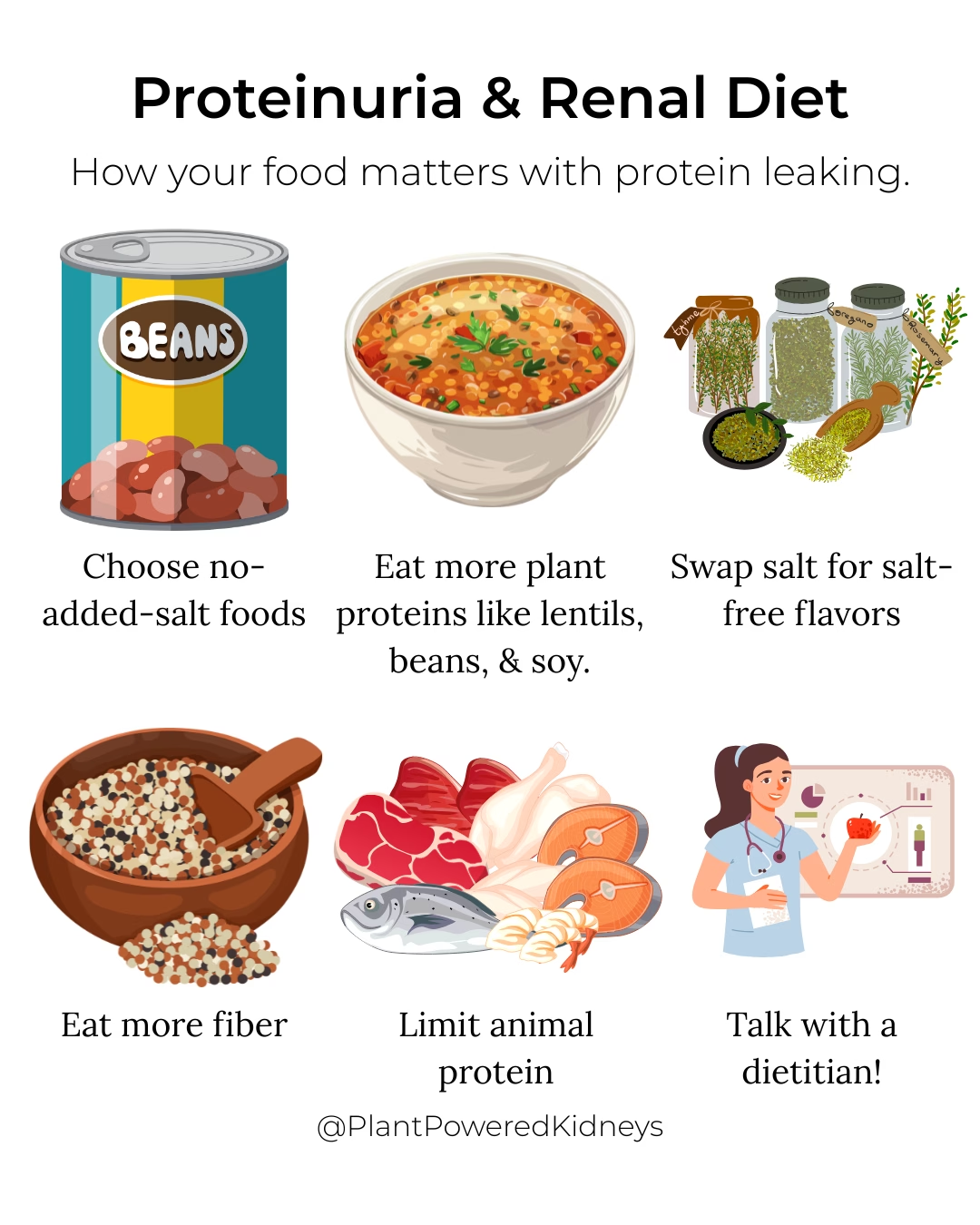
For adults with Stage 3 to 5 CKD who are not on dialysis, KDIGO suggests 0.8 grams of protein per kilogram of body weight each day. (You may see this written as 0.8 g/kg/day.) They also suggest staying away from high-protein diets if your kidney disease is at risk of getting worse. (1)
Here’s what that looks like: A person who weighs 150 pounds (68 kg) would aim for about 55 grams of protein per day.
For many people, that’s less than they eat now. This is especially true after a high-protein or keto-style diet. (Our article on the keto diet for kidney disease explains why.)
Can You Eat Too Little Protein?
More isn’t always better. But cutting way back on your own isn’t the answer either.
Cutting protein too far without guidance can lead to muscle loss and poor nutrition. That’s why very low protein diets need close help from your healthcare team. (1)
The good news? With the right guidance, eating a bit less protein looks safe. A 2026 study followed people with Stage 3 and 4 CKD for up to 15 years. Those who ate less than 1.0 g/kg/day (about 68 grams a day for a 150-pound person) had a lower risk of needing dialysis. And they showed no signs of poorer nutrition. (6)
A few important exceptions:
- If you have diabetes: The American Diabetes Association says not to go below 0.8 g/kg/day. That’s about 55 grams for a 150-pound person. (5) Our renal diabetic diet guide has more.
- If you lose a lot of protein in your urine (nephrotic-range): You may need a bit more, about 55 to 68 grams a day for a 150-pound person. Plenty of calories matter too. (4)
- Very-low protein diets can help some people when paired with a special supplement called ketoanalogues. But they’re only safe with close help from your doctor and a renal dietitian. (1, 8)
Research continues to show that lower-protein eating patterns can reduce proteinuria and lower the risk of needing dialysis. (7) The key is finding your right amount. You can dig deeper in our full guide to the low protein diet.
2. Choose More Plant Protein
The type of protein you eat matters just as much as the amount.
Swapping some animal protein for plant protein can take pressure off your kidney filters. Research shows it can lower how much albumin leaks and make your diet less acidic. (9) It also feeds the healthy bacteria in your gut. That means less waste for your kidneys to clear.
KDIGO even suggests plant protein whenever possible for a common type of kidney disease that causes protein leaks. (4)
Kidney-friendly plant proteins to enjoy more of:
- Lentils, black beans, and chickpeas
- Tofu, tempeh, and edamame
- Whole grains like oats, quinoa, bulgur, and brown rice
- Nuts and seeds
And no, you don’t have to go 100% plant-based. It’s absolutely possible to include some animal protein and still see great results.
Try small swaps that add up:
- Taco night with half lentils, half ground beef
- A tofu and veggie stir-fry in place of chicken once a week
- Chickpeas tossed into your lunch salad instead of deli meat
Curious why acid matters? Our PRAL article (with a helpful calculator) breaks it down. Want a step-by-step place to start? Check out our guide to a plant-based diet for kidney disease.
3. Bring Down the Sodium
Sodium and proteinuria are closely linked.
Too much sodium raises your blood pressure. It also raises the pressure inside your kidney filters. And it can make some blood pressure medicines work less well at lowering protein in your urine.
The KDIGO guidelines recommend less than 2,000 milligrams of sodium per day for people with CKD. (1)
Most sodium doesn’t come from the salt shaker. It comes from packaged and restaurant foods. For example, a single slice of bread can have over 300 milligrams of sodium. (Here’s our list of the best bread for kidney disease, including brands you can find in stores.)
A few easy places to start:
- Cook more meals at home, where you control the salt
- Use herbs, garlic, citrus, and no-salt seasoning blends for flavor
- Compare labels and choose the lower-sodium option
Want more tips? See our low sodium diet guide. And check out which salt is best for kidney health (hint: some salt substitutes aren’t a safe swap).
4. Support Your Blood Pressure and Blood Sugar
High blood pressure and high blood sugar are 2 of the biggest drivers of protein in the urine.
The good news? The same eating pattern that helps with proteinuria helps with both. More fruits, vegetables, whole grains, and beans give you more fiber, potassium, and magnesium. These help support healthy blood pressure and steadier blood sugar.
The DASH diet for kidney disease is a great framework to start with.
What a Day of Eating Can Look Like
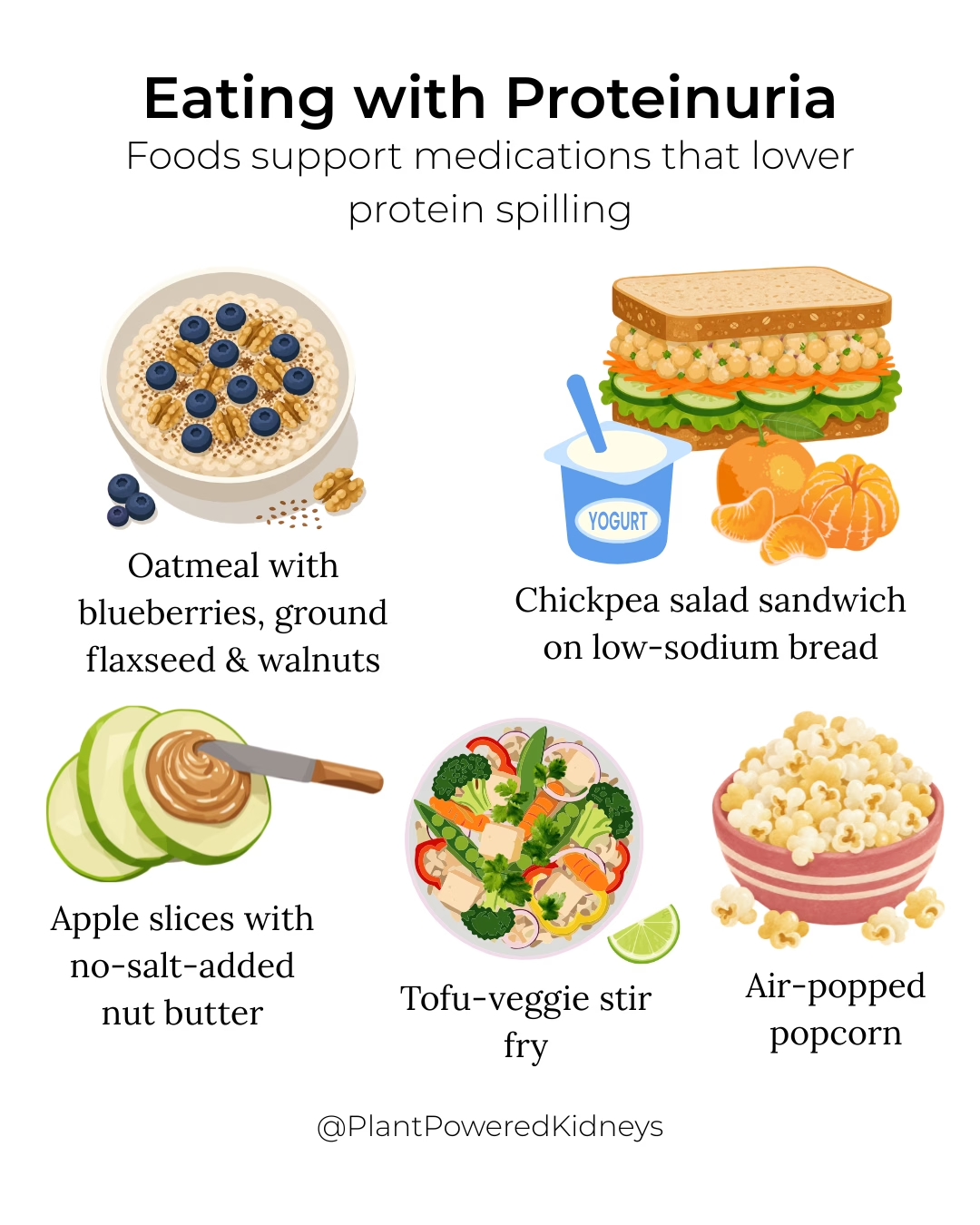
Here’s an example of a kidney-friendly day built around plant protein and lower sodium.
| Breakfast | Oatmeal topped with blueberries, ground flaxseed, and a few walnuts |
| Lunch | Chickpea salad sandwich with cucumber, shredded carrots, and lettuce on low-sodium bread |
| Snack | Apple slices with no-salt-added peanut butter |
| Dinner | Tofu and vegetable stir-fry with brown rice and a no-salt-added sauce |
| Snack | Air-popped popcorn sprinkled with nutritional yeast and garlic powder (or cinnamon sugar if you want it sweet) |
Your exact amounts will depend on your body size, labs, and other health conditions. But notice what’s here: plenty of food, plenty of flavor, and nothing that feels like a punishment.
Questions to Bring to Your Next Appointment
You are the decision-maker of your healthcare team. These questions can help you walk in feeling prepared:
- What is my UACR, and how has it changed over the past year?
- Should my next UACR be a first-morning sample?
- Am I on a medication that helps lower protein in my urine? If not, is one right for me?
- What is my blood pressure goal?
- What daily protein amount is right for me?
- Can you refer me to a renal dietitian?
It’s not that your doctor doesn’t care. They just don’t have enough time to cover nutrition in a 15-minute visit.
A renal dietitian can fill that gap. Here’s our guide on how to find a renal dietitian and whether insurance covers nutrition visits.
Diet and Proteinuria FAQs
Below are some common questions that you may have when it comes to protein leaking and a kidney-friendly diet.
Should I eat less protein if I have protein in my urine?
Not necessarily less. The goal is the right amount for you. For a 150-pound person with Stage 3 to 5 CKD, that’s often about 55 grams a day.
Eating too little can cause its own problems. Work with your doctor and a renal dietitian to find your number.
Do I have to give up meat?
No. You don’t have to be 100% plant-based to see results. But swapping some animal protein for plant protein can help.
Research shows plant protein can take pressure off your kidney filters and lower how much protein leaks. (4, 9) Try beans, lentils, or tofu in place of meat a few times a week.
Should I take a protein powder or supplement?
Usually not. Many people already get more protein than their kidneys need.
Extra protein from powders or bars can raise the pressure on your kidney filters. (1) Talk with a renal dietitian before adding one.
What’s the best first food change to make?
Sodium is a great place to start. Most of it comes from packaged and restaurant foods, so cooking more at home makes a big difference.
Eating less sodium can also help some blood pressure medicines work better at lowering protein in your urine. (10)
Does drinking more water lower protein in my urine?
Not really. UACR is a ratio, so extra water won’t change a result that is truly high. Drink the amount your healthcare team recommends. Then put your energy into the food changes above.
Can diet alone lower protein in my urine?
Food is a powerful tool, but it works best as a team with your medications. Your doctor leads on medications.
Your plate does the rest. One of our Kidney Wellness Academy students, Fran, changed her diet. After 5 months, her labs showed no protein in her urine.
Summary
Proteinuria means protein is leaking through your kidney filters. It’s 1 of the 2 key numbers used to understand your kidney health.
The UACR is the best test to check it. A result of 30 mg/g or higher that stays high for 3 months or more is a sign of kidney damage. Always confirm it with a repeat test.
The encouraging part? This number can improve. Medications from your doctor are a big part of the solution. Alongside them, you can help lower proteinuria by:
- Eating the right amount of protein for you
- Choosing more plant protein
- Keeping sodium under 2,000 mg per day
- Supporting healthy blood pressure and blood sugar
You don’t need a longer list of foods to fear. You need a clear place to start.
Get Your Free 7-Day Meal Plan for Kidney Disease
Wondering what kidney-friendly, plant-forward meals look like day to day? I’ve done the planning for you.
My free 7-day meal plan gives you breakfast, lunch, dinner, and snacks. Every meal is designed by a board-certified renal dietitian (me!). Each recipe shows the protein, sodium, potassium, and phosphorus. And the grocery list is already done for you.
No more guessing at every meal. You can start this week knowing exactly what to make.
Grab your free 7-day meal plan here.

Jen Hernandez is a registered dietitian, board-certified specialist in renal nutrition, and author of Plant-Powered Kidney Nutrition: Proven Methods and Easy Recipes to Support Your Kidney Health (available on Amazon). She has nearly a decade of experience with kidney disease patients in all stages - from stage 1 through kidney transplant. Jen writes on the blog of Plant-Powered Kidneys to help reach and teach more kidney patients about how they can enjoy more foods in a plant-based diet while protecting kidney health.