
Could you answer if someone asked, “Why are kidneys important?” When we think about chronic kidney disease (CKD), we often focus on changes to diet, medications, or dialysis. But before we explore those areas, it’s helpful to understand what the kidneys actually do. This article breaks down the 7 functions of the kidney and how each one supports your overall health. You’ll also learn how chronic kidney disease affects these functions and what role diet and lifestyle can play in protecting them.
Table of Contents
About the Kidney
The kidneys are bean-shaped organs about the size of a fist, located toward the lower back.
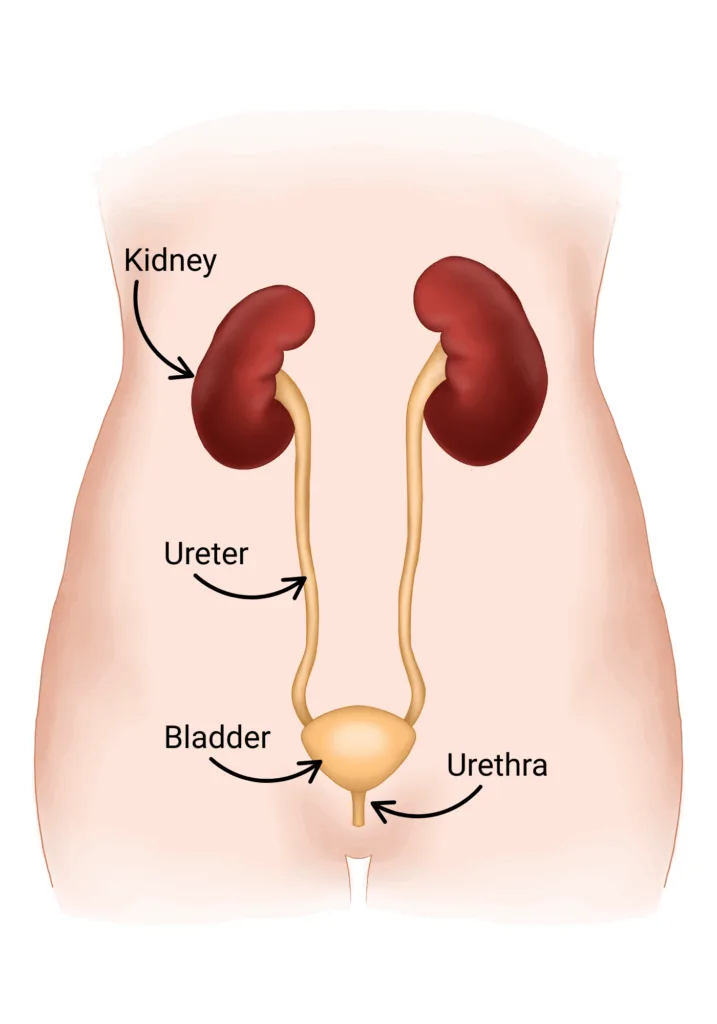
Most people have two kidneys, but some are born with just one that does the job of both.
People with one kidney can still live healthy, normal lives with a balanced diet and proper hydration. Many people also choose to be living kidney donors because of this!
Nephrons
The nephrons are the filtering units within the kidneys, where the glomerulus is at.
The glomerulus is a collection of tiny blood vessels where the filtering process occurs.
The 7 Functions of The Kidney
Next, we’ll cover the 7 functions of the kidney and discuss how diet can help.
Removes Wastes by Filtration
Kidneys are constantly at work, filtering about half a cup of blood every minute, or roughly 180 liters each day.
They remove:
- Excess fluids
- Toxins
- Waste products like urea and creatinine
These filtered wastes are passed into the bladder and eventually leave the body as urine. Large molecules like protein and red blood cells are typically kept in the body unless there’s kidney damage.
Kidney function is measured by glomerular filtration rate (GFR). A low GFR may indicate CKD.
In CKD, a low-protein diet may help reduce waste buildup and ease the kidney’s workload.
Maintains Electrolyte Balance
Kidneys manage levels of important vitamins and minerals such as:
- Sodium
- Potassium
- Phosphorus
- Magnesium
- B-vitamins
They help your body hold on to what it needs and release the rest. When kidney function declines, this balance can be disrupted.
With chronic kidney disease, this balance becomes harder with decreased kidney function. Therefore, some people may require a low potassium diet or a low phosphorus diet.
Most people with chronic kidney disease need to also follow a low sodium diet.
Controls Acid-Base Balance
The body functions best with a blood pH around 7.4. The kidneys help regulate this by managing:
- Acids (hydrogen)
- Bases (bicarbonate)
This brings to question, “is hydrogen or alkaline water good for kidneys?”
Unfortunately, there is no research at this time to prove that these special waters are beneficial for people with kidney disease.
However, there are other good drinks for kidneys that may benefit kidney health.
Metabolic Acidosis
In CKD, the body can become too acidic, a condition known as metabolic acidosis. This can lead to:
- Bone loss
- Muscle wasting
- Faster kidney decline
The good news is that it can be treated and managed with diet and medications.
For example, a diet low in PRAL can help.
Produces Red Blood Cells
Kidneys produce a hormone called erythropoietin (EPO), which signals the bone marrow to make red blood cells that carry oxygen.
Anemia in CKD
When kidneys don’t make enough EPO, it can lead to anemia, which causes:
- Fatigue
- Cold hands and feet
- Pale skin
- Poor appetite
Treatments may include:
- Iron-rich foods
- Iron supplements
- Intravenous iron
- ESA (erythropoiesis-stimulating agents)
Or some may find it easier to incorporate iron water into their daily routine.
Ask your healthcare provider before starting iron supplements, including iron water.
Activates Vitamin D & Supports Bone Health
Kidneys help regulate calcium and phosphorus levels and activate vitamin D, which is crucial for strong bones.
Vitamin D Activation
Here’s how vitamin D becomes active:
- Synthesized in the skin or absorbed from food
- Converted in the liver to 25(OH)D
- Activated by kidneys to 1,25(OH)₂D (the active form)
Phosphorus and Calcium Balance
As mentioned earlier, one of the jobs of the kidneys is to manage vitamins and minerals. This includes calcium and phosphorus.
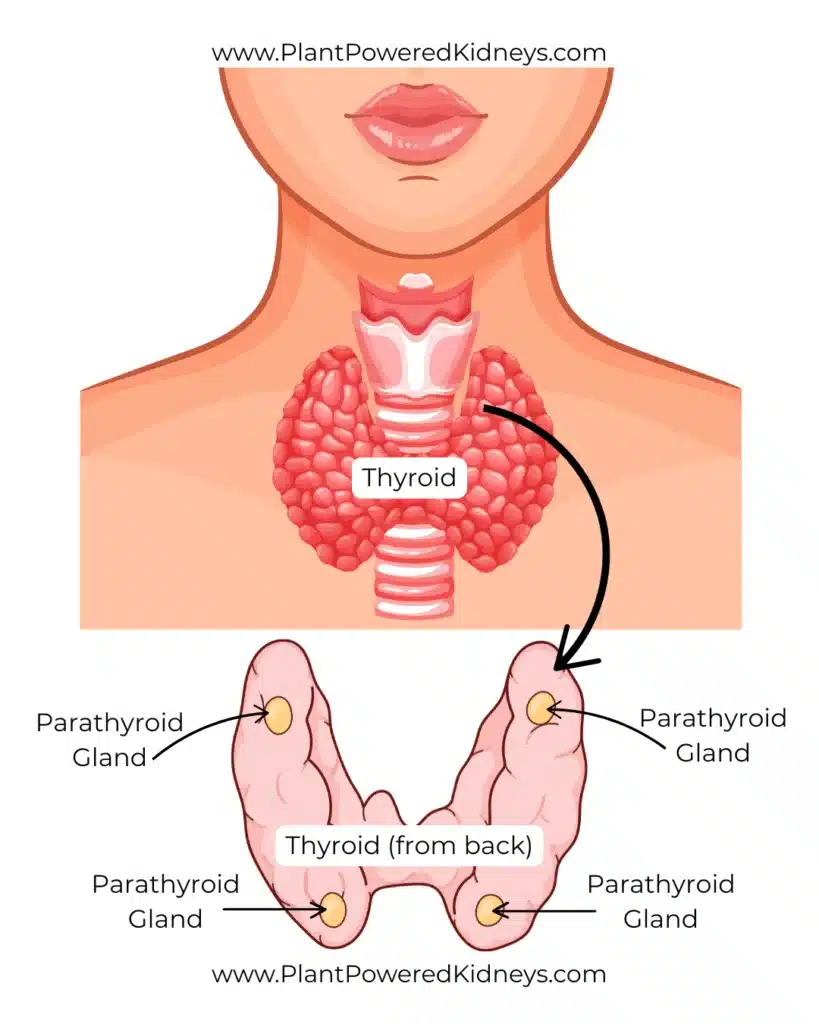
Both phosphorus and calcium are excreted by the kidneys when there is too much. The parathyroid glands help balance calcium and phosphorus.
The parathyroid glands release parathyroid hormone (or PTH), which helps with the balance of calcium.
Secondary Hyperparathyroidism
CKD can cause an imbalance of phosphorus and calcium, leading to high levels of parathyroid hormone (PTH). This can result in:
- Bone weakening
- Vascular calcification
- Higher fracture risk
One of the most helpful ways to help with bone health with chronic kidney disease is to be aware and mindful of phosphorus.
In some cases, a low phosphorus diet may be recommended.
Manages Blood Pressure
Kidneys help manage blood pressure by controlling fluid levels and releasing hormones.
Renin-Angiotensin Aldosterone System
The renin-angiotensin-aldosterone system (RAAS) helps regulate blood volume and pressure. When blood pressure is low, kidneys release renin to increase it.
ACE inhibitors and ARBs are common prescription medications that help lower blood pressure and protect kidney function.
Controls Water Balance
Kidneys decide how much water to keep or release through urine. This ensures your hydration stays balanced.
In CKD, some people may need:
- Fluid restrictions
- Diuretics
- Monitoring urine output
Where to Go From Here
Your kidneys do much more than just make urine. They regulate hormones, balance nutrients, keep bones strong, and protect your heart and brain.
In CKD, some of these functions may decline, often without symptoms. That’s why it’s so important to monitor labs and get support.
Want help protecting your kidney function?
🥗 Download our free 7-day kidney-friendly meal plan
🤩 Learn more about Kidney Wellness Academy
📗 Read Plant-Powered Kidney Nutrition: Proven Methods and Easy Recipes to Support Your Kidney Health
You have more power over your kidney health than you may realize.


Jen Hernandez is a registered dietitian, board-certified specialist in renal nutrition, and author of Plant-Powered Kidney Nutrition: Proven Methods and Easy Recipes to Support Your Kidney Health (available on Amazon). She has nearly a decade of experience with kidney disease patients in all stages - from stage 1 through kidney transplant. Jen writes on the blog of Plant-Powered Kidneys to help reach and teach more kidney patients about how they can enjoy more foods in a plant-based diet while protecting kidney health.