
Has your physician mentioned Farxiga or Jardiance? Maybe you saw a commercial and wondered if it applied to you. Or maybe you were handed a new prescription and thought, “Wait, isn’t this a diabetes medication? I don’t even have diabetes.”
You’re not alone in that confusion. And it’s a really good question to ask.
SGLT2 inhibitors are one of the biggest shifts in kidney care in years. They’re now a top recommendation in international kidney guidelines for most adults with chronic kidney disease, with or without diabetes. (3)
As a renal dietitian, I don’t prescribe or change medications. That’s between you and your physician. But I do help people understand their care, ask better questions, and eat in a way that supports every part of their treatment plan. And these medications change a few things about how you eat and drink.
Let’s walk through what they are, who they’re for, what to expect, and how to eat well while taking one.
This article is for educational purposes and is not a substitute for personalized medical advice. Talk with your healthcare team before starting, stopping, or changing any medication, diet, or fluid intake.
Table of Contents
What Are SGLT2 Inhibitors?
SGLT2 inhibitors are a class of medications first developed to lower blood sugar in type 2 diabetes. And researchers found the benefits went far beyond blood sugar.
How SGLT2 Inhibitors Work
They work by helping your kidneys release extra glucose (sugar) and sodium into your urine instead of pulling it back into your blood.
Here’s why that matters for your kidneys. That shift lowers the pressure inside the tiny filters of your kidneys.
Think of a garden hose that’s been running on full blast for years. Turning the pressure down means less strain and less wear and tear over time.
SGLT2 Inhibitors Approved for Kidney Protection
The ones with kidney-specific FDA approvals include (5):
- Dapagliflozin (Farxiga): approved for adults with CKD at risk of progression to lower the risk of lasting eGFR decline, end-stage kidney disease, heart-related death, and hospitalization for heart failure.
- Empagliflozin (Jardiance): approved for adults with CKD at risk of progression to lower the risk of lasting eGFR decline, end-stage kidney disease, heart-related death, and hospitalization.
- Canagliflozin (Invokana): a narrower approval, limited to adults with type 2 diabetes and diabetic kidney disease with significant protein in the urine (over 300 mg per day).
Quick tip: medications in this class end in “-flozin.”
Why Kidney Guidelines Now Recommend SGLT2 Inhibitors
Guidelines don’t change overnight, so when they do, it’s worth paying attention. Here’s why SGLT2 inhibitors have become one of the most recommended tools in kidney care.
The Strongest Level of Recommendation
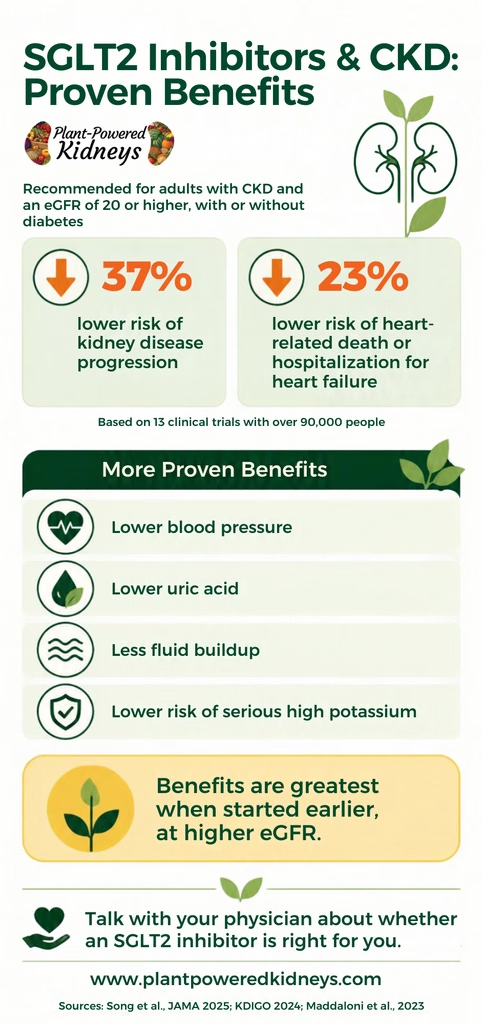
The American Diabetes Association (ADA) and KDIGO (Kidney Disease: Improving Global Outcomes, the international group that sets kidney care guidelines) recommend starting an SGLT2 inhibitor in adults with CKD and an eGFR of 20 or higher. (1, 2)
This is a 1A recommendation, the strongest level there is. That means it’s backed by high-quality clinical trials, not just a good hunch.
In 2024, KDIGO expanded this recommendation to all adults with CKD, whether or not they have diabetes. (3)
Benefits That Go Beyond Blood Sugar
Across multiple large trials, SGLT2 inhibitors have been shown to (1, 3):
- Slow CKD progression and lower the risk of reaching dialysis
- Lower the risk of heart-related death and hospital stays for heart failure
- Lower blood pressure
- Lower uric acid
- Reduce fluid buildup
- Lower the risk of serious high potassium (hyperkalemia)
Here’s the part that clears up so much confusion: these medications are prescribed to protect your kidneys and heart, not just to manage blood sugar.
That’s why your physician may recommend one even if your A1c looks great, or if you don’t have diabetes at all.
SGLT2 & CKD Research
These recommendations didn’t come out of nowhere. They’re built on 3 major clinical trials, each testing a different SGLT2 inhibitor in people with CKD.
CREDENCE Trial
CREDENCE (Canagliflozin, 2019) was the first trial designed specifically to measure kidney outcomes.
In people with type 2 diabetes and significant protein in their urine, canagliflozin lowered the risk of reaching end-stage kidney disease by 32%. (10)
DAPA-CKD Trial
DAPA-CKD (Dapagliflozin, 2020) included over 4,300 people, with and without diabetes.
Dapagliflozin lowered the risk of major kidney decline, end-stage kidney disease, or death from kidney or heart causes by 39%. (8)
The benefits held up whether or not people had diabetes, and across different causes of kidney disease. (15)
EMPA-KIDNEY Trial
EMPA-KIDNEY (Empagliflozin, 2023) was the largest and broadest trial, with over 6,600 people.
Empagliflozin lowered the risk of kidney disease progression or heart-related death by 28%. (9)
It also showed benefits for people with lower kidney function and for people with little or no protein in their urine. (11)
Why Some Trials Were Stopped Early
Here’s something that tells you just how strong these results were:
CREDENCE and EMPA-KIDNEY were both stopped early because the benefits were so clear it wouldn’t have been fair to keep people on the placebo. (9, 16)
Who Benefits Most From an SGLT2 Inhibitor?
SGLT2 inhibitors can help a wide range of people with CKD, but some benefit more than others. Here’s where you might fit in.
People With Protein in Their Urine or Declining eGFR
The strongest evidence is in people with CKD who have (1, 2):
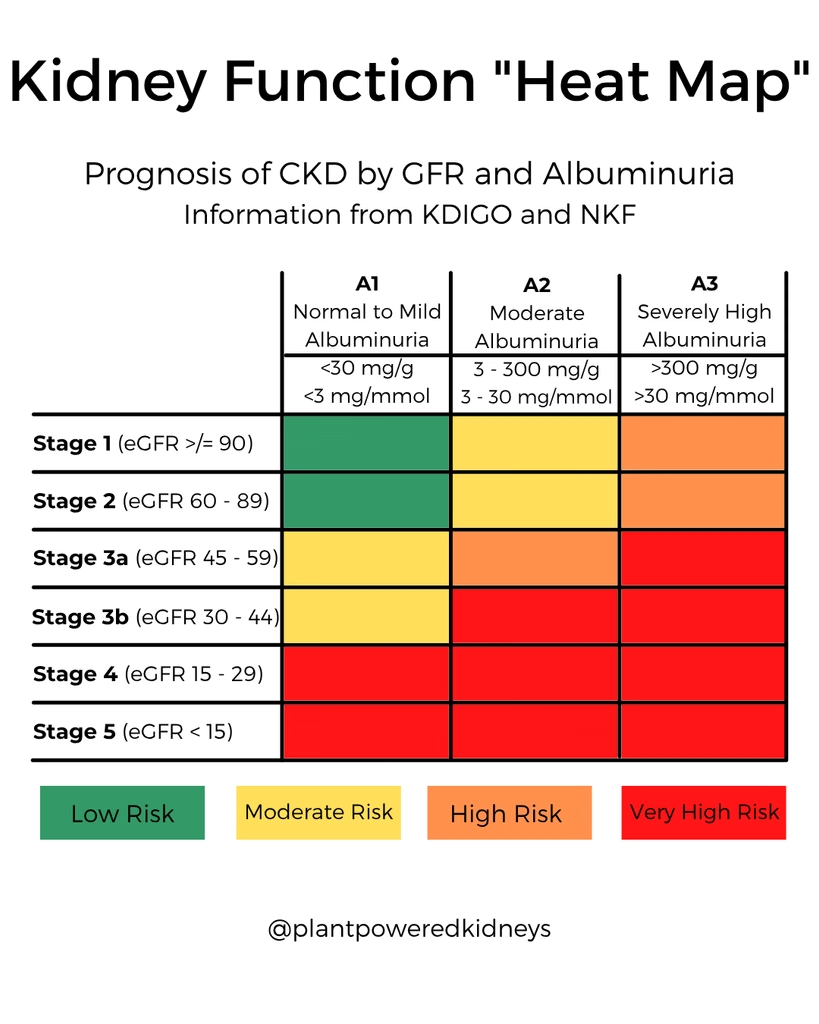
- Albuminuria or proteinuria, meaning protein leaking into the urine (a UACR of 200 mg/g or higher)
- A documented decline in eGFR over time
- Heart failure
What Is UACR?
Don’t know your UACR? That’s a great question for your next appointment.
It’s a simple urine test that shows whether protein is leaking through your kidney filters.
People With Little or No Protein in Their Urine
Having little or no protein in your urine doesn’t mean you won’t benefit.
In EMPA-KIDNEY, people with lower protein levels actually saw a proportionally larger benefit in how quickly their eGFR declined over time. (11)
Not for Type 1 Diabetes or Kidney Transplant Recipients
This recommendation doesn’t apply to kidney transplant recipients, since there isn’t enough evidence yet on safety and effectiveness with immunosuppression.
Evidence in type 1 diabetes is also limited, and use remains off-label. (2)
“My Physician Said to Wait Until My eGFR Drops Below 30.” Now What?
This is one of the most common things I hear. And I understand why it’s confusing.
“If these medications are so protective, why would I wait?”
What the Guidelines Actually Say
SGLT2 inhibitors are recommended once CKD is identified and eGFR is 20 or higher.
That includes earlier stages like stage 2 and stage 3, and they’re meant to be continued as eGFR declines. (1, 6)
Where the Number 30 Comes From
An eGFR below 30 is when guidelines recommend referral to a nephrologist to begin planning for the future, including options like dialysis or transplant. (2, 7)
It’s a referral threshold, not a starting line for kidney-protective treatment. It’s easy for those two numbers to get mixed up.
Why Starting Earlier Matters
When researchers combined 13 clinical trials with over 90,000 people, SGLT2 inhibitors lowered the risk of kidney disease progression by 37% and the risk of heart-related death or hospitalization for heart failure by 23%. (6)
A 2023 analysis of multiple trials found that SGLT2 inhibitors helped at every level of kidney function, but the kidney protection was greatest in people who started with higher eGFR. As eGFR went down, the benefit got smaller. (12)
In other words, the kidney function you have right now is worth protecting.
When Waiting May Make Sense
There may be a good reason your physician is waiting. Things like low blood pressure, high potassium, or dehydration can shape the timing for you.
It’s not that your physician doesn’t care. Appointments are short, and the “why” behind a decision doesn’t always get explained.
So instead of guessing, ask:
“Which medications are we waiting on, and what’s the reason for waiting in my case?”
That one question can turn a confusing appointment into a clear plan.
What to Expect When Starting an SGLT2 Inhibitor
Knowing what’s normal ahead of time can save you a lot of worry. Here’s what to expect in the first few weeks and beyond.
A Small Dip in eGFR Is Expected
I know. You’ve worked so hard to protect that number. Seeing it drop can make your stomach sink.
But a small, reversible dip in eGFR is expected when starting an SGLT2 inhibitor, and it’s generally not a reason to stop. (1)
Remember that garden hose? This dip reflects the pressure in your kidney filters coming down. That’s the medication doing its job.
Continuing as eGFR Declines
Once started, guidelines recommend continuing it even if eGFR later falls below 20, unless you can’t tolerate it or you start dialysis. (1, 2)
This isn’t just a guess.
The major trials included nearly 3,000 people who started with an eGFR between 20 and 30, giving researchers direct evidence that these medications help at lower kidney function too. (13)
It Works Alongside ACE Inhibitors and ARBs
If you already take an ACE inhibitor (like lisinopril) or an ARB (like losartan), an SGLT2 inhibitor is meant to be added, not swapped in. (2)
They protect your kidneys in different ways, so they work as a team.
And if your eGFR drops below 30, that’s not automatically a reason to stop your ACE inhibitor or ARB either.
Research shows no benefit to stopping them at lower eGFR levels, so guidelines recommend continuing them. (3)
Follow-Up and Medication Adjustments
Many people don’t need any changes to their other medications when starting.
But if you take water pills (diuretics) or insulin, your physician may adjust the dose, and they’ll likely want to check in on your fluid status and blood sugar afterward. (1, 16)
When to Pause Your SGLT2 Inhibitor
SGLT2 inhibitors should be held during prolonged fasting, surgery, or serious illness because of the risk of ketosis, a state where the body starts breaking down fat for fuel in a way that can become dangerous. (1)
The good news: this risk is very low for people without diabetes. (3)
Ask your physician for a “sick day plan” before you need one, so you’re not guessing in the moment.
Side Effects to Know About
Like any medication, SGLT2 inhibitors can come with side effects. Knowing what to watch for helps you catch small issues early and feel more confident taking it.
Genital Yeast Infections and Urinary Tract Infections
The most common side effects are genital yeast infections and urinary tract infections, since more sugar is released in the urine.
Genital infections are about 3 to 4 times more common than without the medication. (22) Good hygiene goes a long way here.
Dehydration and Ketoacidosis
Dehydration is another one to watch, along with a rare but serious condition called diabetic ketoacidosis. (14)
Both are closely tied to how you eat and drink, which brings us to my favorite part.
How to Eat Well on an SGLT2 Inhibitor
There’s no special “SGLT2 inhibitor diet.” But because these medications change how your body handles sugar, sodium, and fluid, a few food and fluid habits make a real difference.
And remember: guidelines recommend these medications in combination with lifestyle changes, not instead of them. (4)
A medication can lighten the load on your kidneys. Your plate decides a lot about what that load looks like in the first place.
Start With a Kidney-Friendly Foundation
Your medication works best when it’s built on a strong nutrition foundation. Here’s what that looks like on your plate.
A Plant-Forward Eating Pattern
KDIGO recommends an eating pattern that’s high in vegetables, fruits, whole grains, fiber, beans, plant-based proteins, healthy fats, and nuts, and lower in processed meats, refined carbohydrates, and sweetened drinks. (16)
Sound familiar? That’s a plant-forward way of eating, and it supports your kidneys, heart, and blood pressure right alongside your medication.
Read more about benefits and getting started with a plant-based diet here.
How Much Protein Do You Need?
For people with diabetes and CKD, KDIGO recommends about 0.8 grams of protein per kilogram of body weight per day.
For someone who weighs 150 pounds, that’s roughly 55 grams a day. More isn’t always better, and going too low carries its own risks. (16)
Your exact needs may be different, which is where a renal dietitian can help.
Read more about a low protein diet and CKD here.
Stay Hydrated Within Your Limits
Because SGLT2 inhibitors help your body release extra sugar, sodium, and water, staying well hydrated is the most important habit to build. (17, 18)
Signs of Dehydration to Watch For
- Feeling unusually thirsty
- Lightheadedness or dizziness, especially when standing up
- Lower blood pressure than usual
Who Is at Higher Risk?
Older adults and people taking water pills are at the highest risk. (18)
Hot weather, heavy sweating, vomiting, or diarrhea can tip the balance too.
If You Have a Fluid Limit
If you’ve been given a fluid limit, stick with it and ask your care team whether it should change now that you’re on this medication.
Read more about fluid restriction in CKD here.
Eat Regular, Balanced Meals
How often and what you eat matters a little more on an SGLT2 inhibitor. Consistent, balanced meals help keep your body steady and lower your risk of side effects.
Why Carbohydrates Matter on an SGLT2 Inhibitor
SGLT2 inhibitors nudge your body toward burning fat for fuel, which is how ketosis can happen. That risk goes up when you’re not eating enough carbohydrates or not eating at all. (17, 16)
This is one more reason I love a plant-forward approach. Whole grains, beans, fruits, and starchy vegetables give you steady carbohydrates plus fiber, protein, and nutrients that support your kidneys.
Concerned about trying to balance a diabetic diet and renal diet? Read up on how to here.
Low-Carb Diets, Keto, and Fasting
- Skipping meals isn’t a good match with this medication
- Very low-carb, keto, or crash diets raise the risk, so talk with your care team first if you follow one (20)
- Prolonged fasting, including intermittent fasting or religious fasts, is worth discussing with your physician ahead of time
Eating When You’re Sick
Illness is when ketosis and dehydration risks are highest. Follow the sick day plan from your physician about when to pause the medication.
On the food side, try to keep eating and drinking regularly, even if it’s small amounts of simple foods and fluids you can tolerate.
Protect Your Muscle
Weight loss on an SGLT2 inhibitor isn’t always a good thing. Here’s why it happens and how to protect your strength.
Where the Extra Calories Go
SGLT2 inhibitors cause you to lose roughly 240 to 320 calories a day in your urine. (21) That’s about a slice of whole grain toast with peanut butter, every single day.
For many people, that leads to a modest weight loss of about 4 to 7 pounds. (19)
For someone carrying extra weight, that can be a welcome bonus.
Who Should Watch Weight Loss Closely?
If you’re older, have a smaller frame, have already lost weight unintentionally, or have a low appetite, that calorie loss can work against you.
Losing muscle makes it harder to stay strong and independent. (19) If that sounds like you, focus on:
- Eating enough calories and protein at regular meals
- Keeping an eye on your weight trend
- Letting your care team know about unplanned weight loss
Potassium May Look Different
Since SGLT2 inhibitors lower the risk of serious high potassium, some people may find more room for potassium-rich fruits, vegetables, and beans. (3)
That decision should always be based on your labs and made with your care team.
It’s not about restriction; it’s about addition. Read more about a low-potassium diet here.
Support Your Bones
Canagliflozin (Invokana) has been linked to possible lower bone density. (17, 23)
Since CKD can already affect bone health, ask your dietitian how to meet your calcium and vitamin D needs in a kidney-friendly way.
Ask your physician for a vitamin D test to determine if a supplement is needed.
A Bonus: Lower Uric Acid
SGLT2 inhibitors help your body release uric acid, which generally lowers uric acid levels in your blood. (19, 24) That’s good news if you’ve dealt with gout or high uric acid.
Questions to Ask at Your Next Appointment
Appointments move fast, and it’s easy to leave with more questions than answers. Save these:
- If you’re recommending I wait on any medications, what’s the reason in my case?
- Based on my eGFR and UACR, am I a good candidate for an SGLT2 inhibitor?
- What was my most recent UACR?
- How much of an eGFR dip should I expect, and when will we recheck my labs?
- What’s my sick day plan, including when to pause this medication?
- Do any of my other medications, like water pills, need adjusting?
- Can I get a referral to a renal dietitian?
Summary
SGLT2 inhibitors are now one of the most strongly recommended tools for protecting kidney and heart health in adults with CKD and an eGFR of 20 or higher, with or without diabetes. The research shows the benefits are greatest when they’re started earlier.
Expect a small, temporary dip in eGFR at the start. Keep taking your ACE inhibitor or ARB unless your physician says otherwise. And have a plan for when to pause during illness, surgery, or fasting.
On the food side, stay hydrated within your limits, eat regular balanced meals with enough carbohydrates, and protect your muscle with enough calories and protein. Build it all on a kidney-friendly, plant-forward foundation.
SGLT2 inhibitors are one of several kidney-protective medications. Don’t miss our article about GLP-1 medications and CKD.

Jen Hernandez is a registered dietitian, board-certified specialist in renal nutrition, and author of Plant-Powered Kidney Nutrition: Proven Methods and Easy Recipes to Support Your Kidney Health (available on Amazon). She has nearly a decade of experience with kidney disease patients in all stages - from stage 1 through kidney transplant. Jen writes on the blog of Plant-Powered Kidneys to help reach and teach more kidney patients about how they can enjoy more foods in a plant-based diet while protecting kidney health.