
Pumpkin season is here! From coffee drinks to baked goods, it seems like pumpkin is everywhere once the slightest hint of fall arrives. But if you have chronic kidney disease (CKD), you may be wondering: is pumpkin good for kidney disease? And what about the potassium in pumpkin? As a registered dietitian specialising in kidney nutrition, I’m here to share the full story about pumpkin for people with CKD who want to expand their food choices with this seasonal squash.
Table of Contents
Nutrition Facts for Pumpkin
Pumpkin is a type of winter squash, and it packs in the nutrients. Here’s a quick breakdown of the full nutrition facts for pumpkin, both raw and canned options, from the USDA Food Database.
| 1 cup raw pumpkin (1” cubes) [1](116 grams by weight) | 1 cup canned pumpkin (245 grams by weight) [2] | |
|---|---|---|
| Calories | 30 | 83 |
| Total Fat (grams, g) | 0 | 0 |
| Saturated Fat (g) | 0 | 0 |
| Carbohydrates (g) | 7 | 20 |
| Fiber (g) | <1 | 7 |
| Protein (g) | 1 | 3 |
| Potassium (milligrams, mg) | 394 | 505 |
| Phosphorus, organic (mg) | 51 | 84 |
| Vitamin C (mg) | 10 | 10 |
| Vitamin A (micrograms) | 494 | 1,910 |
| Iron (mg) | 0.9 | 3.4 |
While low in calories, pumpkin delivers a nutrient-rich punch of potassium and fiber. In fact, pumpkin offers a good source of potassium, fiber, and vitamins A, C, and E.
Is canned or fresh pumpkin better for kidney health?
You can include both canned and fresh pumpkin in a kidney-friendly diet. Potassium is the largest consideration.
That being said, it’s more common to use smaller amounts of canned pumpkin in recipes rather than diced pumpkin. For example, making pumpkin bread using canned pumpkin may require one cup for the entire loaf.
Nutrition of Pumpkin Seeds
Pumpkin seeds are a nutrient-rich choice as well that can fit in many kidney-friendly diets.
| 1 ounce roasted pumpkin seeds [3] | |
|---|---|
| Calories | 163 |
| Total Fat (grams, g) | 14 |
| Monounsaturated fat (g) | 4 |
| Polyunsaturated fat (g) | 6 |
| Saturated Fat (g) | 2 |
| Carbohydrates (g) | 4 |
| Fiber (g) | 2 |
| Protein (g) | 8 |
| Potassium (milligrams, mg) | 223 |
| Phosphorus, organic (mg) | 332 |
| Iron (mg) | 2.3 |
| Magnesium (mg) | 156 |
As you can see, pumpkin seeds are a great source of magnesium. Magnesium is a nutrient that is very important for people with kidney disease.
Nutrition of Pumpkin Pie
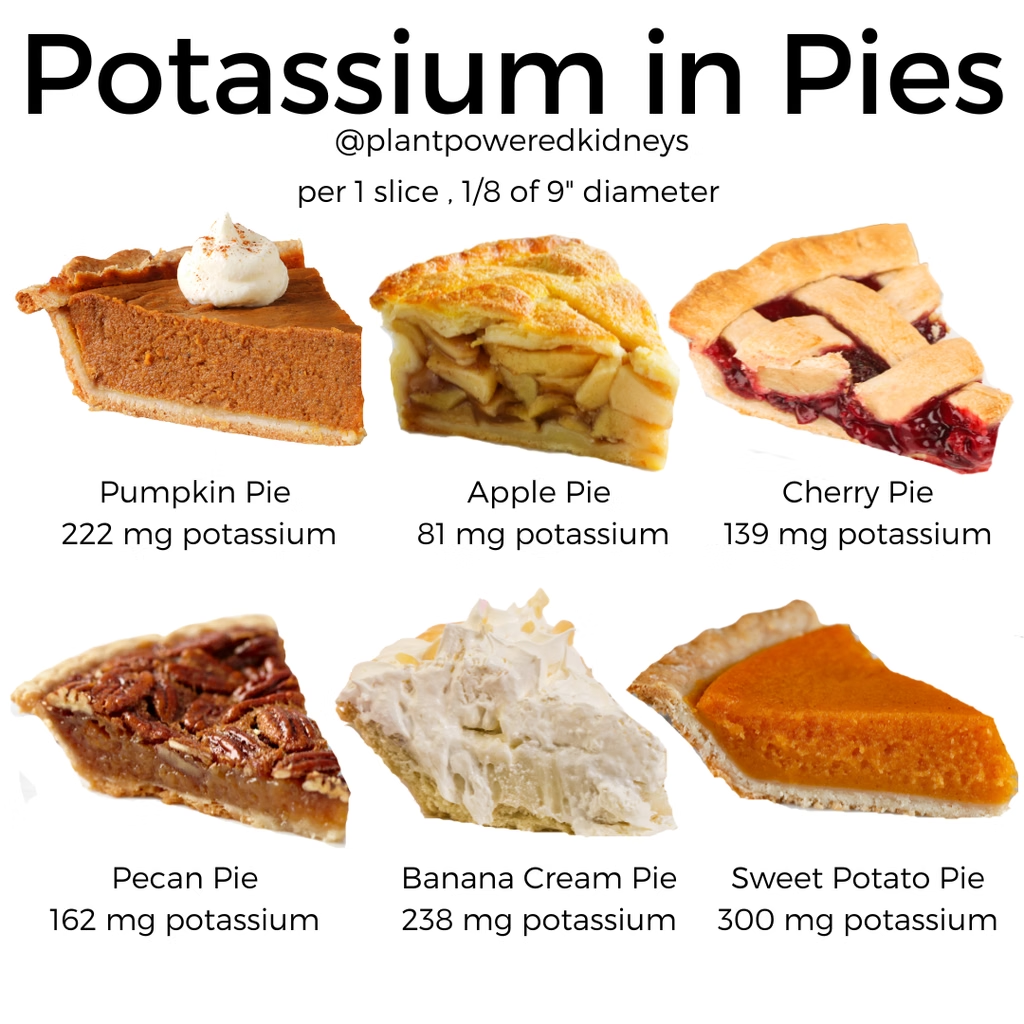
Pumpkin pie is a traditional holiday dessert throughout the fall and winter. You can still include it in a renal diet in moderation, just like most desserts and indulgences.
One slice (133 grams) of pumpkin pie has 222 milligrams of potassium.
Research-Backed Benefits of Pumpkin
Researchers have studied pumpkin and its seeds for health benefits beyond potassium content.
Lowers Blood Pressure & Supports Heart Health
Research has found that eating enough potassium while following a low-sodium diet can reduce the risk of cardiovascular disease and reduce the risk of death [4].
While many healthcare providers have historically told people with CKD to limit or even eliminate potassium, current research and updated clinical guidelines increasingly favor an individualized approach over automatic restriction [5].
Additionally, research shows that pumpkin seed oil helps postmenopausal women better control blood pressure [6].
Pumpkin seed oil also improves cholesterol levels and supports blood vessel health in animal studies, likely thanks to its natural plant sterols, healthy fats, and antioxidant compounds [14].
And this guidance keeps evolving.
A 2026 review in the journal Foods highlights that the 2024 KDIGO guidelines call for individualized potassium management rather than automatically restricting fruits and vegetables, since how much potassium the body absorbs from a food depends more on processing and portion size than on the potassium content listed on a label [7].
A 2026 review in the American Journal of Kidney Diseases echoes this, noting that automatically limiting potassium-rich plant foods can unnecessarily reduce diet quality and variety for people who are often already at risk for poor nutrition [8].
Renal dietitians are shifting their approach too.
A 2026 study found that dietitians now treat potassium restriction as one option among several, and they consider it only after ruling out other causes of high blood potassium [9].
Yet much of the dietary advice still circulating online hasn’t caught up.
A separate 2026 analysis found that most top-ranking webpages still recommend restricting fruits and vegetables inconsistently, well behind where the research has moved [10].
This is one more reason individualized guidance from a renal dietitian matters more than generic food lists.
Supports Blood Sugar Balance
Can pumpkin help support blood sugar, not just kidney health?
A 2026 systematic review of nine controlled clinical trials, including 316 participants total, found that pumpkin and its by-products show promise as an add-on tool for managing type 2 diabetes [13].
Researchers point to pumpkin’s fiber, natural plant compounds, and a nutrient called D-chiro-inositol as likely reasons for this effect. These components appear to slow sugar absorption, support helpful gut bacteria, and improve the body’s response to insulin.
This evidence is still developing, and the trials are small. However, it is a meaningful finding since type 2 diabetes is the leading cause of CKD for many people.
Adding pumpkin alongside other fiber-rich foods may be one more tool for blood sugar support, on top of your care team’s guidance.
Hormone Balance
Pumpkin seed oil helps with imbalanced sex hormones, thanks to the polyphenols, carotenoids, and other health-related properties involved [11].
This is one example of how seed oils make a good food option for many, with proven health benefits.
Anti-Inflammatory Protection
For instance, the beta-carotene and other carotenoids in pumpkin serve as potent antioxidants.
They help neutralize free radicals and reduce inflammation, contributing to protection against cancer, heart disease, and age-related eye disorders.
Supports Immune Function, Skin & Eye Health
Meanwhile, vitamin A and C boost immune defense and help with skin cell turnover.
Antioxidants like lutein and zeaxanthin help protect eyes from age-related damage like macular degeneration [12].
Enhances Digestive and Gut Health
Similarly, the high content of both fiber and water in pumpkin help with digestion. Both nutrients promote intestinal transit and balance the microbiota of the gut.
A 2026 gut-kidney axis review also points to fiber-rich plant foods like pumpkin as support for beneficial gut bacteria, which produce short-chain fatty acids that may help lower gut-derived compounds linked to CKD progression [7].
A 2025 study found that the soluble fiber in pumpkin specifically encourages the growth of beneficial gut bacteria and supports the connection between the gut and the liver, a pathway tied to blood sugar regulation [15].
Is Pumpkin Bad for Kidneys?
While dietitians historically listed pumpkin as a food to limit, you should now see that it offers many benefits that align with kidney health.
If your healthcare provider has instructed you to limit potassium, limiting pumpkin will likely be part of your diet plan.
However, including a quarter-cup of canned pumpkin will provide just 126 milligrams of potassium. This can easily fit even in a low-potassium diet.
And while the phosphorus in pumpkin may feel like it’s bad for kidney health, it’s important to understand that the phosphorus coming from pumpkin, including pumpkin seeds, is organic.
This means your body does not easily absorb it, so it won’t make a significant impact on your blood phosphorus levels.
When shopping for canned pumpkin and pumpkin-infused products, read the ingredient list to spot phosphate additives.
This type of phosphorus, otherwise known as inorganic phosphorus, absorbs more easily into your body and may make phosphorus control more difficult.
The bottom line is that pumpkin is not bad for kidney health.
Current guidelines increasingly favor individualized, food-by-food decisions over blanket restriction, and pumpkin’s nutrient profile makes it a good addition for many people with CKD.
Tips for Enjoying Pumpkin on a Kidney-Friendly Diet
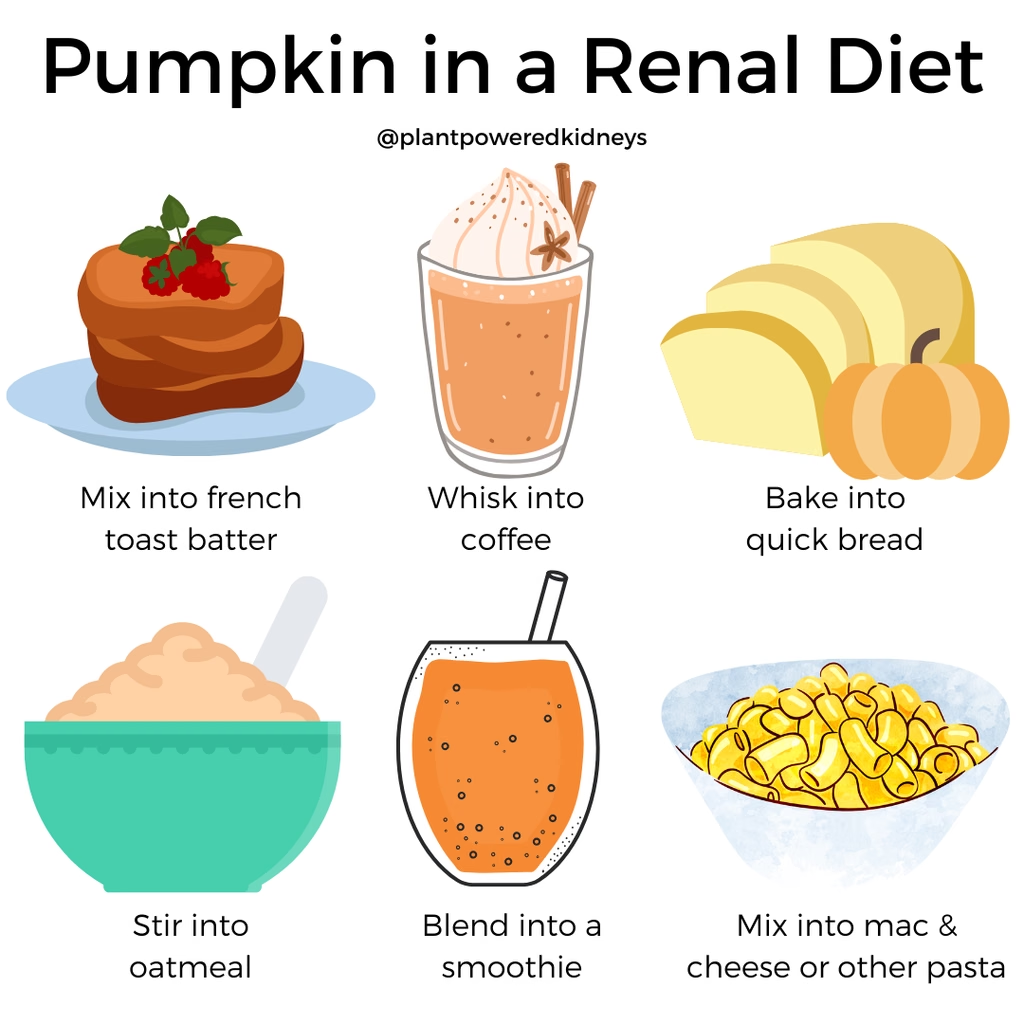
As you should know now, there are some great advantages in enjoying some pumpkin in a kidney-friendly diet. Here are a few ideas to help you enjoy it year-round.
- Add a few tablespoons of canned pumpkin into cake, cookie, waffle or pancake batter
- Try pumpkin-spice flavored coffee and creamers (just check for added phosphorus on the label).
- Use pumpkin spice seasoning to add in the warming flavors of pumpkin pie without the pumpkin
- Stir canned pumpkin into soups for a creamy, thicker texture or add diced pumpkin for a fun and different flavor
- Add canned pumpkin to pasta sauces, chili, or curries for a rich, slightly sweet undertone.
- Mix pumpkin puree into your favorite vanilla yogurt, along with pumpkin pie spices, for a fun fall-inspired breakfast or snack. Top with pumpkin seeds for crunch!
Frequently Asked Questions About Pumpkin and Kidney Disease
Is pumpkin high in potassium?
A cup of raw pumpkin has 394 milligrams of potassium, and a cup of canned pumpkin has 505 milligrams. That is a moderate amount, and smaller portions, like a quarter cup, fit easily into most potassium limits.
How much potassium is in canned pumpkin?
One cup of canned pumpkin has 505 milligrams of potassium. A quarter cup, a more typical serving in recipes like pumpkin bread, has about 126 milligrams.
Can people with CKD eat pumpkin seeds?
Yes, a one-ounce serving of roasted pumpkin seeds provides 223 milligrams of potassium and 332 milligrams of phosphorus, so it can fit into a kidney-friendly diet with attention to portion size.
Is pumpkin pie okay on a renal diet?
One slice of pumpkin pie (133 grams) has 222 milligrams of potassium, similar to other traditional pies, so you can enjoy it in moderation as part of a renal diet.
Is the phosphorus in pumpkin a concern for kidney disease?
The phosphorus in pumpkin is organic, meaning the body absorbs less of it than the inorganic phosphorus added to many processed foods, so it is less likely to raise blood phosphorus levels.
Get Your Free 7-Day Kidney-Friendly Meal Plan
Ready to put pumpkin, and everything else in this article, into practice? Grab our free 7-day meal plan, built for a kidney-friendly diet with real recipes and portions you can use right away.
Summary
Pumpkin has many benefits that can help people with CKD enjoy their diet while also supporting heart health, blood sugar balance, gut health, and more.
While rich in potassium, smaller amounts of pumpkin still fit for those on a potassium restriction.
The phosphorus from pumpkin and pumpkin seeds is organic and therefore not likely to make a negative impact on blood phosphorus levels.
Current 2026 research and clinical guidelines increasingly favor individualized potassium management over blanket restriction of fruits and vegetables like pumpkin.
While fresh pumpkin is seasonal, canned pumpkin stays available year-round, so you can enjoy it anytime.

Jen Hernandez is a registered dietitian, board-certified specialist in renal nutrition, and author of Plant-Powered Kidney Nutrition: Proven Methods and Easy Recipes to Support Your Kidney Health (available on Amazon). She has nearly a decade of experience with kidney disease patients in all stages - from stage 1 through kidney transplant. Jen writes on the blog of Plant-Powered Kidneys to help reach and teach more kidney patients about how they can enjoy more foods in a plant-based diet while protecting kidney health.

Need your help with health eating and cooking
Hi Fale! We have several programs that may help you. You can find details of our services under “Work with Us” at the top menu 🙂